
Spinal Cord Injury FAQs
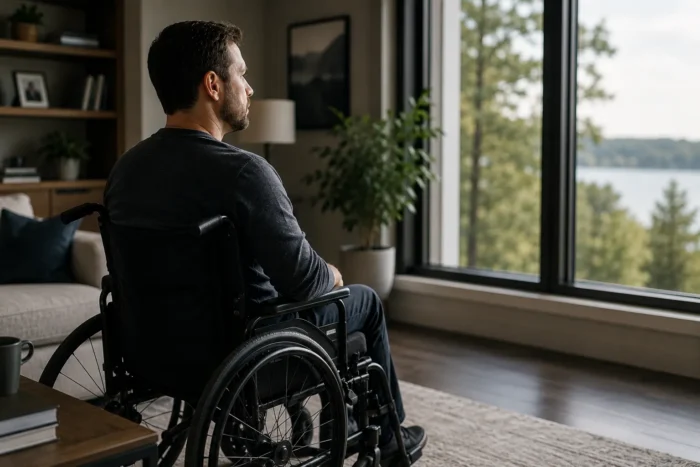
Georgia spinal cord injury FAQs covering trucking crashes, malpractice, premises liability, UM/UIM coverage & lifetime damages.
Spinal Cord Injury FAQs
How much is my Georgia spinal cord injury case worth?
There is no standard answer, because every case is unique. The value of your case depends on the severity of your injury, your lifetime medical and care needs, your age, your pre-injury earnings, the degree of fault of the responsible parties, and available insurance coverage. In catastrophic SCI cases, recoveries frequently exceed $1 million and can reach tens of millions of dollars. At Haug Barron Law Group, we retain life-care planners, economists, and vocational experts to build the strongest possible damages case. The only way to know the true value of your case is to speak with an experienced Georgia catastrophic injury attorney.
What if the person who caused the accident was uninsured or underinsured?
Georgia law requires insurers to offer uninsured motorist (UM) and underinsured motorist (UIM) coverage to all policyholders under O.C.G.A. § 33-7-11. If the at-fault driver has no insurance or insufficient insurance to cover the full value of your injuries, your own UM/UIM policy can provide crucial additional recovery. Georgia also allows “stacking” of UM policies in certain circumstances. Haug Barron Law Group identifies and exhausts all available insurance coverage in every catastrophic injury and wrongful death case.
Can I sue a trucking company for a Georgia 18-wheeler accident that caused a spinal cord injury?
Absolutely. Commercial truck drivers and their employing carriers are subject to the Federal Motor Carrier Safety Regulations (FMCSRs), which impose strict requirements on hours of service, vehicle maintenance, drug testing, driver qualification, and cargo securement. Violations of these regulations constitute negligence per se under Georgia law. Haug Barron Law Group’s James R. Haug is a member of the AAJ Trucking Litigation Section with deep experience in trucking injury cases. We immediately pursue electronic control module (black box) data, driver qualification files, electronic log books, maintenance records, and carrier safety ratings to build an overwhelming liability case.
Can I recover compensation for a spinal cord injury caused by a slip and fall or premises defect?
Yes. Property owners in Georgia have a duty to maintain their premises in a reasonably safe condition under O.C.G.A. § 51-3-1. If a defective staircase, wet floor, inadequate lighting, broken railing, or other hazardous condition caused your fall and resulting spinal cord injury, the property owner may be liable. The key issue is typically notice — whether the owner knew or should have known of the hazard. Haug Barron Law Group investigates and documents premises liability cases thoroughly, including through inspection of physical evidence, review of prior incident reports, and analysis of applicable building codes.
What happens to my spinal cord injury case if the at-fault driver dies?
If the at-fault driver or tortfeasor dies, your claim survives against their estate. More practically, the claim can typically be pursued against the liability insurer of the deceased, because most liability policies cover claims against the estate. In vehicle accident cases, the vehicle owner’s insurance policy is also implicated, regardless of whether the owner was the driver. Our attorneys ensure that all potentially liable parties — and all potentially applicable insurance policies — are identified and pursued.
What should I do immediately after a catastrophic injury accident in Georgia?
If physically able: call 911, do not move a person with a potential spinal cord injury (unless in imminent danger), photograph the scene and all vehicles involved, get witness contact information, and preserve all dashcam footage. Seek medical attention immediately, even if you feel your injuries may not be severe — adrenaline masks pain, and spinal cord injuries can worsen without proper immobilization and diagnosis. Then call Haug Barron Law Group at (844) HAUG-LAW before speaking with any insurance company.
Does Haug Barron Law Group handle Georgia medical malpractice cases involving spinal cord injuries?
Yes. Spinal cord injuries caused by surgical errors — particularly spine surgery, neurosurgery, and orthopedic procedures — represent a subset of Georgia medical malpractice law. These cases require an expert affidavit under O.C.G.A. § 9-11-9.1 at the time of filing and involve complex expert testimony on the standard of care. James R. Haug has obtained significant verdicts and settlements in medical malpractice cases involving catastrophic injuries. We work with nationally recognized spine surgeons, neurologists, and life-care planners to build compelling malpractice cases.
What is paraplegia?
Paraplegia is a form of paralysis that generally affects the lower half of the body, including the legs and, in many cases, parts of the trunk and pelvic region. It often results from damage to the spinal cord in the thoracic, lumbar, or sacral areas.
Paraplegia can affect much more than the ability to walk. Depending on the location and severity of the spinal cord injury, a person may also experience changes in:
- Sensation
- Muscle control
- Balance and posture
- Bladder or bowel function
- Sexual function
- Circulation
- Skin integrity
- Chronic pain or spasms
- Independence in daily activities
Because every spinal cord injury is different, paraplegia cases require careful medical review, long-term planning, and a clear understanding of the injured person’s current and future needs.
What types of accidents can cause paraplegia?
Paraplegia can result from many kinds of traumatic events. Common causes include:
- Motor vehicle crashes
- Motorcycle collisions
- Trucking accidents
- Pedestrian or bicycle accidents
- Falls from height
- Workplace accidents
- Construction site incidents
- Sports and recreational injuries
- Acts of violence
- Medical or surgical complications
- Hazardous property conditions
- Defective products or equipment failures
In a legal claim, the cause of the injury matters because it helps identify who may be responsible. A thorough investigation can examine safety practices, maintenance records, medical decisions, driver conduct, workplace conditions, product design, and other factors.
Why do paraplegia injury cases require specialization?
Paraplegia injury cases are typically more complex than standard personal injury claims. They usually involve permanent or long-term disability, extensive medical treatment, adaptive equipment, home modifications, lost income, and ongoing care needs.
A team handling these cases must know how to evaluate:
- Emergency and hospital care
- Rehabilitation and therapy needs
- Future medical expenses
- Mobility devices and assistive technology
- Accessible housing and transportation
- Loss of earning capacity
- Personal care assistance
- Pain, suffering, and loss of quality of life
- Psychological and emotional effects
- Family caregiving responsibilities
Specialization matters because the true cost of paraplegia is rarely limited to past medical bills. The case must account for how the injury may affect the person for years, or for the rest of their life.
What is the difference between paraplegia and hemiplegia?
The comparison between paraplegia and hemiplegia centers on which parts of the body are affected.
Paraplegia generally affects both legs and may involve the lower trunk. It is commonly associated with spinal cord injuries below the neck.
Hemiplegia affects one side of the body, such as the right arm and leg, or the left arm and leg. It is often related to brain injuries, strokes, or neurological trauma, rather than damage to the lower spinal cord.
In legal and medical evaluations, this distinction matters because each condition can create different mobility challenges, treatment plans, long-term care needs, and damages.
What is the difference between hemiplegia and paraplegia in injury claims?
The terms hemiplegia and paraplegia can sound similar because both describe paralysis, but they often involve different injury mechanisms and different types of expert review.
A paraplegia claim may focus largely on spinal cord trauma, vertebral fractures, surgical treatment, rehabilitation, wheelchairs, accessible living, and lower-body paralysis.
A hemiplegia claim may require a detailed evaluation of brain function, cognitive symptoms, speech issues, weakness on one side of the body, occupational therapy, and neurological recovery.
Both conditions can be serious. Neither should be minimized. The key is identifying the correct diagnosis, the cause of the paralysis, and the full impact on the injured person’s life.
What is the difference between paraplegia and quadriplegia?
The comparison between paraplegia and quadriplegia is based primarily on the level of paralysis.
Paraplegia generally affects the lower body, including both legs. Arm and hand function is usually preserved, although the person may still face significant challenges with mobility and independence.
Quadriplegia, also called tetraplegia, generally affects all four limbs — both arms and both legs. It is commonly associated with cervical spinal cord injuries in the neck region. Depending on severity, quadriplegia can also affect breathing, hand function, upper body strength, and the ability to perform personal care tasks independently.
Both conditions can involve catastrophic injury claims. However, quadriplegia often requires a different level of daily assistance and medical planning, because upper body function may also be affected.
What damages can be included in a paraplegia injury case?
Damages vary depending on the case, the location, liability, insurance coverage, and the specific circumstances of the injured person. In general, a paraplegia injury claim may include compensation for:
- Past medical bills
- Future medical treatment
- Hospitalization and surgery
- Rehabilitation and physical therapy
- Occupational therapy
- Medication and pain management
- Wheelchairs and mobility devices
- Vehicle modifications
- Home accessibility modifications
- Home care or attendant care
- Lost wages
- Loss of future earning capacity
- Emotional distress
- Pain and suffering
- Loss of enjoyment of life
- Impact on family and caregiving burden
No responsible advocate should promise a specific case value without a detailed review. Paraplegia cases require careful analysis of damages, supported by medical records, expert opinions, financial documentation, and life care planning.
What is a life care plan, and why does it matter?
A life care plan is a detailed projection of an injured person’s future medical, personal, and practical needs. In paraplegia cases, it can be one of the most important tools for understanding long-term costs.
A life care plan may address:
- Future doctor visits
- Rehabilitation needs
- Durable medical equipment
- Wheelchair replacement schedules
- In-home health assistance
- Pressure sore prevention
- Accessible housing needs
- Transportation needs
- Medication
- Mental health support
- Emergency complications
- Long-term independence goals
This planning helps ensure that a claim does not focus solely on what has already happened. It also considers what the injured person may reasonably need in the future.
What evidence matters in a paraplegia injury claim?
Strong evidence can make a significant difference in a serious spinal cord injury case. Important evidence may include:
- Accident reports
- Medical records
- Imaging studies and diagnostic reports
- Surgical records
- Rehabilitation notes
- Photos or videos of the scene
- Witness statements
- Expert evaluations
- Employment and income records
- Insurance documents
- Safety inspection records
- Product or equipment records
- Daily care logs
- Documentation of out-of-pocket expenses
It is also helpful to document how the injury affects daily life. This can include changes in independence, work, family roles, sleep, mobility, transportation, hobbies, and emotional well-being.
Who can be liable for an injury that results in paraplegia?
Liability depends on how the injury occurred. Potentially responsible parties may include:
- Negligent drivers
- Commercial transportation companies
- Property owners
- Employers or contractors
- Product manufacturers
- Equipment maintenance companies
- Healthcare providers
- Government entities
- Third-party security providers
Some cases involve more than one liable party. For example, a crash may involve a negligent driver, an employer, a vehicle maintenance company, or a defective part. A workplace injury may involve contractors, equipment manufacturers, or property owners, in addition to workers’ compensation issues.
How soon should someone seek legal help after a spinal cord injury?
It is generally best to seek legal guidance as soon as possible after addressing emergency medical needs. Serious injury cases often require prompt investigation before evidence disappears, witnesses become harder to locate, or records become harder to obtain.
Legal deadlines vary by state and by type of claim. Claims involving government agencies, medical providers, workers’ compensation, or minors may involve special rules. Because missing a deadline can affect the right to recover compensation, it is important to speak with a qualified attorney about the specific facts of the case.
What should I bring to a consultation about a paraplegia injury case?
If available, bring or gather:
- Medical records and discharge paperwork
- Accident reports
- Insurance correspondence
- Photos or videos
- Witness contact information
- Employment and wage records
- Bills and receipts
- Rehabilitation records
- A list of treating providers
- Notes on symptoms and daily limitations
- Any letters from insurers, employers, or opposing parties
Do not worry if you do not have everything. A legal team experienced with serious spinal cord injury cases can often help identify and request important documents.
Can a paraplegia case settle without going to trial?
Yes, many serious injury cases resolve through settlement. However, a settlement should be considered carefully, especially when the injury involves long-term paralysis. A settlement that does not fully account for future care, loss of earning capacity, and lifetime needs may leave the injured person without adequate support later on.
Some cases require litigation if the responsible party denies fault, disputes the severity of the injury, or refuses to offer fair compensation. The goal is not simply to reach a quick settlement. The goal is to pursue an outcome that reflects the full impact of the injury.
How do medical experts help in paraplegia cases?
Medical experts can explain the nature of the spinal cord injury, the cause of the paralysis, the expected recovery prognosis, and the long-term care required. Depending on the case, experts may include:
- Neurosurgeons
- Orthopedic spine surgeons
- Physiatrists
- Neurologists
- Rehabilitation specialists
- Life care planners
- Vocational experts
- Economists
- Mental health professionals
- Accessibility specialists
Expert opinions can help clarify complex medical issues and connect the injury to the damages being claimed.
What if the injured person had a pre-existing condition?
A pre-existing condition does not automatically bar a claim. Many people have prior medical issues, old injuries, or degenerative changes before an accident. The key question is whether the incident caused a new injury, worsened an existing condition, or accelerated a decline.
Insurance companies may try to attribute symptoms to prior health history. That is why medical documentation and expert review matter. A strong case must clearly explain what changed after the
What role does rehabilitation play after paraplegia?
Rehabilitation can help a person adapt to life after a spinal cord injury. It may focus on strength, mobility, transfers, wheelchair skills, self-care, skin protection, bladder and bowel management, pain control, and independence.
Rehabilitation can also include emotional support and education for the family. The transition from hospital to home can be difficult, and long-term planning often requires coordination among doctors, therapists, caregivers, and accessibility professionals.
How can families support someone after a paraplegia injury?
Families often play an important role in recovery and daily life. Helpful support may include:
- Learning about the injury and care needs
- Attending medical appointments when appropriate
- Helping track symptoms and expenses
- Supporting rehabilitation goals
- Encouraging independence when possible
- Making the home safer and more accessible
- Seeking caregiver support and respite care
- Watching for emotional distress or isolation
Family members should also recognize their own needs. Catastrophic injuries can affect everyone in the household, and caregiver burnout is real.
What makes a paraplegia claim different from a minor injury claim?
A minor injury claim may focus mainly on short-term medical bills and temporary inconvenience. A paraplegia claim often involves permanent life changes and complex future damages.
These cases can require deeper analysis of:
- Lifetime medical costs
- Loss of career opportunities
- Long-term accessibility needs
- Personal care assistance
- Emotional trauma
- Reduced independence
- Changes in family and relationships
- Future complications
Because so much is at stake, these claims must be handled with detailed preparation and a full understanding of damages from serious spinal cord injuries.
Is every spinal cord injury case the same?
No. Even when two people are diagnosed with paraplegia, their experiences can be very different. One person may have partial sensation or some movement, while another may have complete paralysis below a certain level. Some may return to work with accommodations, while others may not be able to continue in the same profession.
A sound case evaluation must be individualized. It should consider the person’s medical condition, age, work history, home environment, support system, goals, and long-term needs.
What should I avoid after a serious spinal cord injury?
After a paraplegia injury, it may be wise to avoid:
- Giving recorded statements to insurers without advice
- Signing broad medical authorizations without understanding them
- Accepting a quick settlement before future needs are known
- Posting detailed injury updates on social media
- Missing medical appointments
- Ignoring new or worsening symptoms
- Discarding receipts, bills, or medical equipment records
Every case is different, so it is important to receive personalized legal advice before making decisions that could affect a claim.
How can specialized legal support help?
Specialized legal support can help investigate the cause of the injury, identify responsible parties, gather evidence, coordinate expert reviews, evaluate damages, negotiate with insurers, and prepare the case for litigation when necessary.
In paraplegia cases, the focus must be on the whole person, not just the diagnosis. The legal strategy should reflect the injured person’s medical needs, future care, financial losses, independence, dignity, and quality of life.