
Hit-and-Run & Uninsured Motorist FAQs
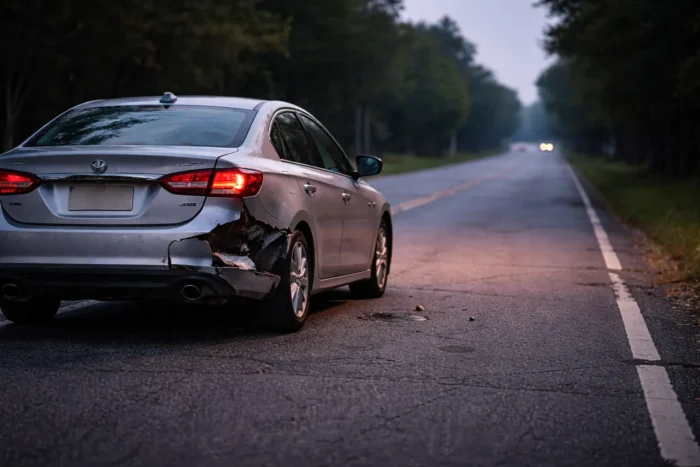
Hit-and-run and uninsured motorist FAQs—learn how to recover compensation, insurance options, and what to do after a crash in Georgia.
Hit-and-Run & Uninsured Motorist FAQs
What if I don’t have uninsured motorist coverage?
If you did not purchase UM coverage and the at-fault driver is never found, your options are significantly limited. You may have a claim under your medical payments (MedPay) coverage if your policy includes it, but MedPay limits are typically low. This is precisely why attorneys consistently advise Georgia drivers to carry robust UM coverage — it is the single most important financial protection you can have.
Can I sue a hit-and-run driver if they are never identified?
No. You cannot name or serve a lawsuit on an unknown defendant. However, many Georgia courts allow plaintiffs to name a “John Doe” defendant in a UM complaint, preserving the claim while law enforcement investigates. Your attorney can advise whether this procedural step is appropriate in your case.
What if a witness saw the license plate but the driver says they weren’t in an accident?
This happens more than you might expect. Physical evidence — paint transfer, matching damage, GPS data, traffic cameras, and accident reconstruction — can establish that a specific vehicle was involved even if the driver denies it. Haug Barron Law Group works with qualified accident reconstructionists and investigators to build the strongest possible evidence record.
Does filing a UM claim affect my insurance rates?
Generally, under Georgia law, an insurer cannot raise your premiums solely because you filed a UM claim for an accident that was not your fault. However, insurance policies vary, and it is worth reviewing your policy or consulting with an attorney before you file.
What if the hit-and-run involved a commercial vehicle?
Hit-and-run accidents involving commercial trucks, delivery vehicles, or company-owned cars present different legal issues. Commercial operators are subject to federal FMCSA regulations and often carry much higher insurance limits. If you were struck by what appeared to be a commercial vehicle, preserving that information — fleet markings, trailer numbers, company logos — is critical.
Does it matter if I have uninsured motorist coverage?
Absolutely. If the driver who caused your crash is uninsured or underinsured, your own UM/UIM coverage can provide compensation for your injuries. Our attorneys always identify every available coverage source early in the case to maximize your recovery.
What should I do after a hit and run in Atlanta?
Hit-and-run accidents are unfortunately common in Atlanta. If you are the victim, take these steps:
- Call 911 immediately. Report the accident and request police and medical assistance. A police report is critical for insurance claims and any legal action.
- Document everything at the scene. Photograph all vehicle damage, your injuries, road conditions, traffic signals, and any debris. If witnesses are present, get their names and contact information.
- Record any details about the fleeing vehicle. Partial plate numbers, make, model, color, and direction of travel may help law enforcement locate the driver.
- Seek medical treatment promptly. Even if you feel fine, see a doctor. A medical record linking your injuries to the accident is essential for your claim.
- Notify your own insurance company. Under Georgia’s UM/UIM statutes, your uninsured motorist coverage may compensate you even if the at-fault driver is never identified.
Contact a personal injury attorney. Hit-and-run claims involve unique procedural requirements, including timely UM/UIM notice. An attorney ensures your rights are fully protected.