
Nursing Home Wrongful Death FAQs
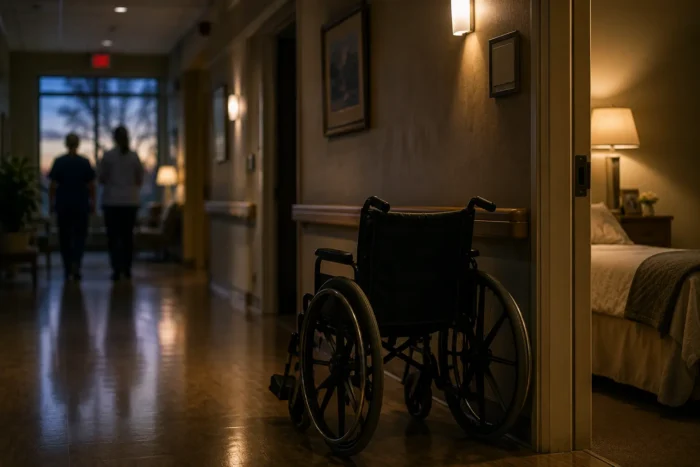
Georgia nursing home wrongful death FAQs on falls, understaffing, punitive damages & family rights. Backed by a $30M verdict. Free consult, no fee unless we win
Nursing Home Wrongful Death FAQs
Can I sue a nursing home if my loved one fell and died in Georgia?
Yes. If a nursing home’s negligence — such as understaffing, failure to implement a fall prevention plan, or failure to supervise a high-risk resident — caused or contributed to your loved one’s death, you likely have a viable wrongful death claim under O.C.G.A. § 51-4-1 et seq. An experienced Georgia wrongful death attorney at Haug Barron Law Group can evaluate the specific facts of your case in a free consultation. Call 844-HAUG-LAW today.
What is the “full value of the life” standard in Georgia wrongful death cases?
Under Georgia’s Wrongful Death Act, surviving family members can recover the “full value of the life” of the deceased — a broad standard that includes both economic value (such as lost earnings and services) and non-economic value (the deceased’s enjoyment of life and relationships). Georgia courts have consistently held that this standard captures the complete worth of a human life, not just financial contributions. Our attorneys work with economists and life care planners to document and maximize this figure for your family.
Who can bring a wrongful death claim in Georgia?
Georgia law establishes a clear priority order. The surviving spouse has the primary right to bring the claim. If there is no surviving spouse, the children may bring the claim. If there is no surviving spouse or children, the parents may file. If none of these family members exist, the estate administrator may bring the claim on behalf of the estate. Our attorneys will identify the proper claimant and ensure the lawsuit is filed correctly.
Can I get punitive damages against a nursing home in Georgia?
Yes, under O.C.G.A. § 51-12-5.1, punitive damages may be available if the nursing home’s conduct showed willful misconduct, malice, fraud, wantonness, oppression, or an entire want of care that would raise the presumption of conscious indifference to consequences. Chronic understaffing, falsified records, or ignoring repeated fall events involving the same resident can all support a punitive damages claim. Haug Barron Law Group has experience pursuing these claims aggressively.
What evidence is most important in a Georgia nursing home wrongful death case?
Key evidence includes complete medical records and nursing notes, incident reports, fall risk assessments, individualized care plans, staffing logs (showing the ratio of staff to residents), CMS survey reports and deficiency citations, bed and chair alarm maintenance records, and witness statements from staff and other residents. Our attorneys know how to obtain and preserve this evidence quickly — before it is altered or destroyed.
What if my loved one had a pre-existing condition before the fall?
Pre-existing conditions do not bar recovery in Georgia. Under Georgia’s eggshell plaintiff doctrine, a negligent nursing home is liable for all harm caused by the fall, even if a pre-existing condition made the resident more vulnerable. In fact, the resident’s known fragility may actually strengthen your claim — it makes the nursing home’s failure to take extra precautions even more egregious.
What if the nursing home claims the fall was an accident?
Nursing homes routinely claim falls are “unavoidable accidents.” This is a defense, not a legal standard — and it is often wrong. Under federal CMS regulations and Georgia law, nursing homes must take reasonable steps to prevent foreseeable falls. If the facility failed to properly assess your loved one’s fall risk, develop an adequate prevention plan, or staff adequately to monitor high-risk residents, the fall was preventable — not accidental. Haug Barron Law Group knows how to dismantle this defense.
Can the nursing home be held responsible for delayed treatment after the fall?
Absolutely. If nursing home staff failed to timely recognize serious injuries after a fall — such as a subdural hematoma, hip fracture, or internal bleeding — and that delay caused or accelerated your loved one’s death, the facility can be liable for both the fall and the inadequate post-fall response. This is a common pattern we see in fatal nursing home cases, and it significantly increases the value of the claim.
How much is a Georgia nursing home wrongful death case worth?
There is no one-size-fits-all answer, but recoveries in serious nursing home wrongful death cases in Georgia can range from hundreds of thousands of dollars to multiple millions. Factors that affect value include the age and health of the deceased, the nature and extent of pre-death suffering, the egregiousness of the nursing home’s conduct, whether punitive damages are available, and the quality of the legal team fighting for your family. Haug Barron Law Group has a proven track record of maximizing recovery, including a $30 million wrongful death verdict in DeKalb County.
What if the nursing home is part of a large corporate chain?
Corporate nursing home chains often have aggressive legal departments and significant insurance coverage designed to minimize payouts. They also frequently hide behind complex corporate structures to shield assets. Haug Barron Law Group has the experience and resources to pierce these structures, identify all responsible parties, and hold the full corporate enterprise accountable. We are not intimidated by large defense teams — we have defeated them before, and we will do so again.
Can we bring both a wrongful death claim and an estate claim?
Yes. In Georgia, two related but separate claims typically arise from a wrongful death: (1) the wrongful death claim by surviving family members for the full value of the deceased’s life, and (2) an estate claim for the deceased’s pre-death pain and suffering, medical expenses, and other losses (O.C.G.A. § 51-4-5). Our attorneys will pursue both tracks simultaneously to ensure your family’s recovery is maximized.
Can I sue a nursing home if my family member developed sepsis and died from an untreated bedsore or infection?
Yes. Nursing homes have a duty to provide a reasonable standard of care, which includes infection prevention and wound management. If a resident developed sepsis from a stage III or IV pressure ulcer, urinary catheter infection, or other preventable facility-acquired infection and died as a result, the facility and its staff may face both wrongful death and Georgia Nursing Home Rights Act claims (O.C.G.A. § 31-8-100 et seq.), potentially including punitive damages for willful neglect.