

Cases Involving Paraplegia: Injuries Resulting in Paraplegia and Serious Spinal Cord Injury Specialization
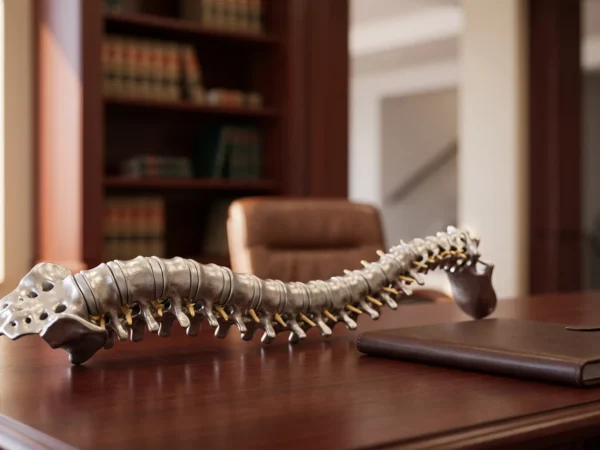
A sudden accident can turn a life upside down in mere seconds. When an individual suffers severe trauma, the aftermath is frequently overwhelming, particularly when the diagnosis involves a life-altering spinal cord injury. Transitioning to life with paralysis involves navigating complex medical, emotional, and legal terrain.
For survivors and their families, understanding the multifaceted road ahead is critical for achieving a high quality of life. This blog post serves as a comprehensive guide to spinal cord injury recovery, acting as a resource for those who suddenly find themselves facing the unthinkable.
We will specifically focus on cases involving paraplegia: injuries resulting in paraplegia and serious spinal cord injury specialization. By breaking down the medical terminology, exploring rehabilitation options, and highlighting the critical importance of specialized legal advocacy, we aim to empower survivors. We will explore everything from understanding the initial injury and managing ongoing health complications to the crucial legal steps required to secure your financial future. Knowledge is power, and when dealing with lifelong injuries, having the right information can dramatically alter the trajectory of a person’s recovery.
Understanding Spinal Damage and Paraplegia
When discussing paralysis, the specific terminology used by neurologists and surgeons can sometimes be confusing. A fundamental starting point is understanding the anatomical difference between paraplegia and quadriplegia (also known as tetraplegia). Quadriplegia typically results from damage to the cervical (neck) region of the spinal cord. Because the damage is so high up the spinal column, it affects both the upper and lower body, including the arms, hands, trunk, legs, and pelvic organs.
Paraplegia, on the other hand, exclusively affects the lower half of the body. This usually occurs due to trauma lower down the spine. Specifically, these injuries often involve lumbar and thoracic vertebrae fractures. The thoracic spine is located in the mid-back and is attached to the rib cage, providing stability. The lumbar spine is located in the lower back and carries the majority of the body’s weight. Trauma to these areas can impede the brain’s ability to send signals to the legs, bowels, and bladder, while generally leaving arm and hand function completely intact.
The severity of the initial trauma also plays a massive role in a patient’s long-term prognosis. Doctors frequently categorize these traumas by assessing incomplete vs complete spinal cord damage:
- Complete spinal cord damage: The spinal cord is entirely severed or severely compressed, resulting in a total loss of sensory and motor function below the level of the injury. Recovery of function is rare, though rehabilitation is still crucial for overall health and independence.
- Incomplete spinal cord damage: The spinal cord is only partially compromised, meaning it retains some of its ability to transmit messages to and from the brain. Survivors with incomplete injuries may retain partial feeling, touch, or movement below the affected area. Because neural pathways remain partially intact, their prognosis for regaining functional movement is generally higher.
What Are the Primary Causes of Spinal Cord Trauma?
The human central nervous system is highly protected by the bony vertebrae, but extreme physical force can breach these natural defenses. Understanding the origins of these injuries is essential, particularly when building personal injury cases. The most common causes of traumatic spinal cord injury include:
- Motor Vehicle Accidents: Car, motorcycle, and commercial truck collisions account for a significant percentage of spinal injuries. The violent whipping motion or crushing impact of a high-speed crash can easily fracture the thoracic or lumbar spine.
- High-Impact Falls: Falls from scaffolding, ladders, or even slips down a flight of stairs are a leading cause of paralysis, particularly in the construction industry and among older adults.
- Sports and Recreation: Extreme sports, diving into shallow water, and high-impact contact sports can result in devastating spinal blows.
- Acts of Violence: Gunshot wounds and physical assaults can directly sever the spinal cord.
However, not all catastrophic injuries are caused by violent external forces. In some heartbreaking and highly complex instances, a patient might suffer lasting damage due to sheer medical negligence. For instance, medical malpractice for misdiagnosed spinal fractures can exacerbate an otherwise treatable back injury. If an emergency room doctor or radiologist fails to identify a hairline fracture after a patient falls, the patient may be sent home without proper immobilization. This lack of bracing can cause the fractured bone fragments to shift, subsequently compressing or severing the spinal cord and leading to entirely preventable paraplegia.
Navigating the Medical Aftermath and Rehabilitation
Learning how to live with paraplegia after an accident requires immense mental resilience, emotional support, and the right combination of medical interventions. Following the initial emergency surgeries required to decompress the spinal cord and stabilize the fractured vertebrae with hardware, the clinical focus quickly shifts to intensive rehabilitation.
One of the best investments a survivor can make in their recovery journey is engaging in rigorous physical and occupational therapy. The benefits of neuro-rehabilitation programs are incredibly well-documented by medical professionals worldwide. Unlike standard physical therapy, neuro-rehabilitation is highly specialized. These innovative programs focus on:
- Neuroplasticity training: Retraining the nervous system to maximize whatever neural pathways remain intact through repetitive, targeted exercises.
- Upper body conditioning: Building immense upper body strength and core stability, which is vital for transferring to and from a wheelchair independently.
- Advanced technology: Utilizing tools like robotic gait training, functional electrical stimulation (FES), and aquatic therapy to promote muscle memory and prevent muscle atrophy.
- Activities of Daily Living (ADLs): Occupational therapists teach adaptive techniques for daily living activities such as dressing, bathing, and cooking.
In addition to physical therapies, engaging with mental health professionals who specialize in trauma and major life transitions is equally important. Coping with the sudden loss of mobility requires navigating complex feelings of grief, frustration, and anxiety. A holistic approach ensures that both the body and the mind are supported through the grueling recovery process.
Tackling Secondary Health Complications
While the loss of lower body motor function is the most visible aspect of paraplegia, managing secondary complications of paralysis is frequently the most demanding part of daily life. Paraplegia alters internal bodily systems, requiring ongoing, lifelong vigilance to prevent dangerous medical emergencies.
A serious and unique condition to be aware of is autonomic dysreflexia. This is a potentially life-threatening medical emergency where the nervous system aggressively overreacts to a standard stimulus below the level of injury (such as a full bladder, an ingrown toenail, or even tight clothing). Autonomic dysreflexia symptoms and management must be thoroughly understood by both the patient and their caregivers. Symptoms include a severe, pounding headache, a flushed face, profuse sweating above the injury level, nasal congestion, and a sudden, dangerous spike in blood pressure that can lead to a stroke if left untreated. Management involves sitting the patient upright immediately to lower blood pressure, rapidly identifying the triggering stimulus, and removing it without delay.
Additionally, paralysis almost universally affects the organs in the lower pelvis. Developing an effective, daily routine for neurogenic bowel and bladder treatment is absolutely essential to prevent severe kidney infections, urinary tract infections (UTIs), and bowel impactions. This care regimen often involves intermittent catheterization, precisely timed bowel programs, pharmacological interventions, and tailored dietary plans focused on high fiber and hydration.
Other secondary complications include pressure sores (decubitus ulcers) resulting from prolonged sitting, deep vein thrombosis (DVT) due to decreased leg circulation, and severe muscle spasticity.
Adapting to Your New Normal at Home
Transitioning from a highly structured inpatient rehabilitation center to living independently at home brings an entirely new set of logistical challenges. Making your living space safe, accessible, and comfortable is a massive priority. Necessary home modifications for wheelchair accessibility often include:
- Installing durable exterior ramps, vertical platform lifts, or residential elevators.
- Widening doorways and hallways to safely accommodate standard and power wheelchair dimensions.
- Lowering countertops, sinks, and cabinetry in the kitchen to allow for seated meal preparation.
- Retrofitting bathrooms extensively with roll-in, zero-entry showers, strategically placed grab bars, and accessible wall-mounted sinks.
- Removing high-pile carpets and replacing them with hard-surface flooring for easier wheelchair navigation.
Beyond the home environment, regaining community mobility is crucial. This frequently entails purchasing or heavily modifying a wheelchair-accessible van equipped with hand controls for driving, specialized tie-downs, and automated ramps. Returning to the road offers a profound sense of freedom, allowing survivors to return to work, attend medical appointments, and participate in social events independently.
While these environmental modifications grant invaluable independence and dignity to survivors, they come with a hefty price tag. This financial burden pushes the conversation directly toward the economic reality of surviving a spinal cord injury.
The Staggering Financial Toll of Spinal Cord Injuries
Accurately calculating lifetime costs of paraplegia care is a sobering and incredibly complex task. The initial hospital stays in the intensive care unit, spinal fusion surgeries, and acute inpatient rehabilitation can easily exceed hundreds of thousands of dollars within the first few months alone. However, the long-term, ongoing expenses are where the numbers truly escalate into the millions.
Lifetime economic costs typically include:
- Recurring medical expenses, specialized physical therapies, and routine specialist check-ups.
- Prescription medications and daily medical supplies (like catheters, ostomy bags, and customized pressure-relief cushions).
- The purchase and routine replacement of manual and power wheelchairs.
- Ongoing home modifications and the purchase of specially modified, wheelchair-accessible vehicles.
- Lost wages, diminished future earning capacity, and the loss of employer-sponsored benefits.
- In-home care nursing or personal assistance services for those who need daily help.
For an individual severely injured at a young age, the lifetime economic impact can be financially devastating. This reality makes pursuing just compensation not merely a legal option, but an absolute necessity for survival and lifelong security.
Why You Need a Specialized Spinal Cord Injury Law Firm
When an injury is directly caused by another party’s negligence — whether a reckless commercial driver, a property owner who ignored safety hazards, or an incompetent medical provider — victims have the fundamental right to seek financial damages. However, paraplegia injury cases are notoriously complex and vigorously defended by insurance companies. General personal injury attorneys who typically handle minor car accidents or slip-and-falls may not fully grasp the profound medical and financial nuances of spinal trauma.
This is precisely why finding a specialized spinal cord injury law firm is vital. Legal teams possessing serious spinal cord injury specialization inherently understand the precise mechanics of these physical traumas. They know how to accurately assess the difference between a standard personal injury case and highly complex spinal injury claims.
For example, personal injury claims for thoracic spine trauma require a deep, nuanced understanding of how that specific anatomical injury impacts the patient’s core stability, respiratory function, and overall lower-body mobility. A specialized attorney will not work alone; they will partner with top-tier medical experts, certified life care planners, and vocational economists to build an airtight, comprehensive case.
These professionals meticulously project every single future medical need, anticipated surgery, home modification, and subjective loss of life enjoyment. They ensure these factors are accurately accounted for in the settlement demands or trial presentations. Specialized attorneys are also well-versed in countering aggressive defense tactics used by insurance companies that actively attempt to downplay the severity of the victim’s lifelong physical and emotional needs.
Furthermore, dealing with specialized cases involving paraplegia — injuries resulting in paraplegia and serious spinal cord injury specialization — requires profound empathy. A dedicated legal team will shoulder the burden of the complex litigation process — handling the grueling depositions, securing the crucial expert witness testimonies, and negotiating the intricate medical liens — allowing the survivor to focus entirely on their physical and psychological recovery.
Embracing the Future with Confidence
Life following a catastrophic spinal trauma is undeniably difficult, fraught with unexpected challenges and emotional hurdles. However, it is fundamentally still a life filled with immense potential, deep purpose, and joy. With rapid advancements in medical technology, robust neuro-rehabilitation techniques, and incredibly strong legal advocacy, survivors are living longer, healthier, and more fiercely independent lives than ever before in history.
If you or a loved one is currently facing this arduous journey, please remember that you do not have to walk it alone. Build a strong, multifaceted support network of compassionate healthcare professionals, connect with local or online peer support groups, and proactively seek out legal experts who specialize in spinal injury claims. By decisively securing your physical, emotional, and financial well-being through expert guidance, you can reclaim your hard-won independence and focus entirely on thriving in your new normal.
If you or a loved one has suffered paraplegia or a catastrophic spinal cord injury due to another party’s negligence in Georgia, a plaintiff-only firm that partners with top-tier spinal specialists, certified life care planners, and vocational economists — and has the $30 million verdict record to fight for the full lifetime compensation your injury demands — is your strongest ally in securing the financial future your recovery requires. Contact Haug Barron Law Group today for a free, confidential consultation — no fee unless we win.
This article is provided for general informational purposes only and does not constitute legal or medical advice. Reading this content does not create an attorney-client relationship with Haug Barron Law Group. Every case is different, and you should consult a licensed attorney regarding the specific facts of your situation. © Haug Barron Law Group, Personal Injury Lawyers. All rights reserved.
Contact Haug Barron Law Group Today for a FREE Consultation.