
Hidden Cameras and Secret Recordings in Georgia: Your Rights When Someone Records You or Your Child Without Consent
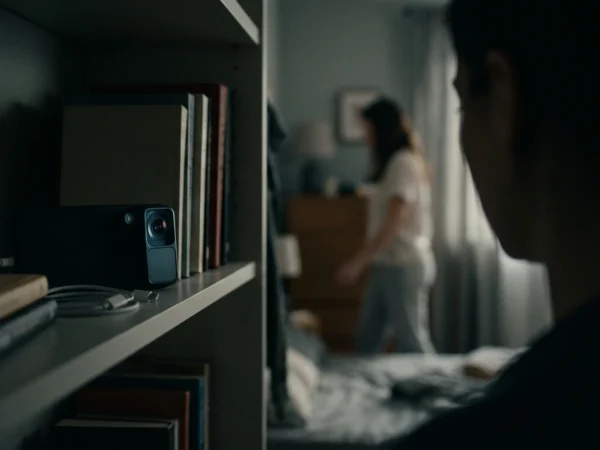
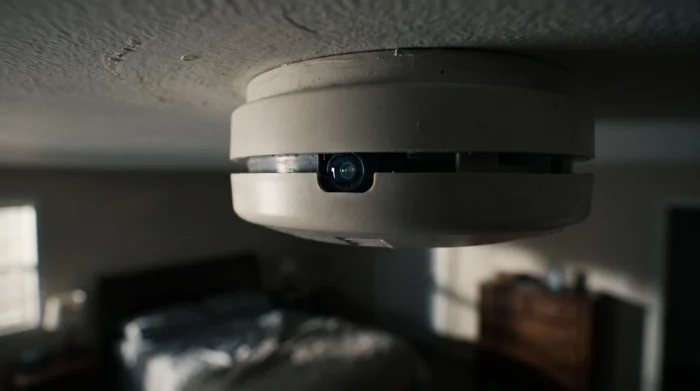
Hidden Cameras & Secret Recordings in GA: Discovering that someone secretly photographed or recorded you, or your child, is a profound violation. It may surface as a tiny camera found in a vacation rental’s smoke detector, a phone propped in a gym locker room, a message from a detective, or a call from your child’s school. However it comes to light, the questions are the same: Who did this? Who else knew? Could it have been prevented? And what can I do now?
This guide explains how Georgia law treats hidden cameras and secret recordings, where these cases tend to arise, who can be held responsible, and what victims and families can do right now to protect themselves and their rights.
| Key Takeaways |
|---|
| Secretly recording someone under their clothing, or in a private place like a bathroom, bedroom, or locker room, is generally a crime in Georgia. Victims can pursue a civil case separate from any criminal prosecution. Employers, property owners, landlords, hosts, and organizations can be held responsible when they fail to take reasonable steps to prevent it. Your privacy can be protected throughout the process. Time limits apply, so speak with a lawyer early. |
Where secret recording happens
These cases are not limited to any one type of place. They often involve someone who was given trust or access, and an institution or property owner that failed to guard against misuse of it. Common settings include:
- Hotels, vacation rentals, and short-term rentals. Cameras concealed in smoke detectors, clocks, chargers, or vents in bedrooms and bathrooms.
- Apartments and rental homes. Devices placed by landlords, property managers, maintenance workers, or others with keys and access.
- Workplaces. Recording in restrooms, changing areas, or private offices by coworkers, supervisors, or contractors.
- Gyms, locker rooms, spas, and tanning salons. Places where people undress and reasonably expect privacy.
- Schools, daycares, camps, churches, and youth sports. Recording of children by teachers, coaches, caregivers, volunteers, or staff.
- Medical offices and care facilities. Recording of patients or residents during exams, treatment, or personal care.
- Retail dressing rooms and public restrooms. Including recording underneath clothing in public spaces.
Is secret recording a crime in Georgia?
Often, yes. Under O.C.G.A. § 16-11-91, it is a felony to knowingly use or install a device to secretly photograph or record underneath or through a person’s clothing without consent, where the person has a reasonable expectation of privacy, even in a public place. Separately, O.C.G.A. § 16-11-62 generally prohibits secretly observing, photographing, or recording people in a private place without their consent. When the person recorded is a child, Georgia’s laws against the sexual exploitation of children may also apply.
Prosecutors decide which charges fit, and each image or incident can be charged separately. Victims do not need to sort that out to understand their civil rights.
The criminal case and the civil case are two different things
When someone is arrested, the criminal case belongs to the State. Its goal is to determine guilt and impose punishment. The victim is a witness in that process, not a party, and does not control its pace or outcome.
A civil case belongs to you. Its purpose is to secure accountability and financial compensation for the harm done, and to uncover how it was allowed to happen. A civil case can move forward whether or not the criminal case ends in a conviction, because the standard of proof is lower and the questions are broader. The criminal case asks what one person did. The civil case also asks what the business, property owner, or institution around that person knew, should have known, and failed to do.
Who can be held responsible?
The person who made the recordings
The individual can be sued directly for invasion of privacy, intentional infliction of emotional distress, and related claims. In practice, individuals often have limited assets, and personal insurance policies commonly exclude intentional or criminal acts. That is why the role of others matters so much.
Employers and organizations
Businesses, schools, daycares, churches, leagues, medical practices, and other organizations can be held liable for their own negligence in how they hire, retain, train, and supervise the people they give access to others. That is especially true where they ignored complaints or warning signs, or placed someone in a position of trust over children, patients, or other vulnerable people.
Property owners, landlords, hotels, and hosts
Owners and operators of hotels, rentals, apartment complexes, gyms, and other premises have duties to the people they invite onto their property. Claims may arise where an owner, manager, or host placed a device, allowed someone else unchecked access, ignored prior incidents, or failed to take reasonable precautions against a known risk. Georgia’s premises-liability rules for third-party criminal acts are technical and were revised in 2025, so these claims require careful analysis.
Government entities
Claims involving public schools, government-run facilities, or public employees can involve immunity defenses, special notice requirements, and federal claims such as Title IX or civil-rights claims. These rules are technical and deadline-driven.
What we look for in these cases
Every case is different, but the investigation usually focuses on questions like these:
- Did the business, owner, or organization screen the person, check references, and follow up on anything concerning?
- Were there prior complaints, incidents, rumors, or boundary-crossing behavior that were ignored or handled informally?
- Who had keys, codes, or access to private spaces, and how was that access controlled and monitored?
- Were there policies on cameras and personal phones in restrooms, locker rooms, bedrooms, and changing areas, and were they enforced?
- Were rooms or rentals inspected, and were guest or tenant complaints taken seriously?
- When a report came in, did the organization act immediately, preserve evidence, and notify law enforcement and the people affected?
A clean background check does not end the inquiry. Many offenders have no prior record. The real question is whether reasonable safeguards were in place and enforced.
What to do right now
- If you find a device, don’t touch it. Photograph it in place, leave the area, and call the police. Handling or removing it can compromise evidence.
- Do not look for, request, or share any images. Leave that to law enforcement. Viewing or forwarding them can retraumatize you or your child, and possessing or sharing images of a minor can itself create legal problems.
- Don’t confront the person or post on social media. Public posts can complicate both the criminal and civil cases and can compromise your privacy.
- Write down what you know. Dates, locations, names, booking or lease details, and every communication with the business, landlord, host, employer, or school. Save emails, texts, receipts, and app messages.
- Get support. A trauma-informed counselor can help, and records of that care matter. For children, reassure them that they did nothing wrong.
- Be careful with company and insurance conversations. Before signing anything, giving a recorded statement, or accepting an offer, speak with a lawyer who represents only you.
- Ask about evidence preservation. Your lawyer can send formal preservation demands so that personnel files, prior complaints, access logs, security video, booking and platform records, and internal communications are not lost or deleted.
Protecting your privacy
Many victims hesitate to pursue a civil case because they fear being identified. That concern is legitimate and is taken seriously. Courts can permit protective measures in cases involving sensitive facts, such as filing under initials or pseudonyms and placing sensitive material under seal. Many of these cases are resolved without the victim ever testifying in open court. A good lawyer will build a strategy around your privacy from day one.
How long do you have to act?
Most personal injury claims in Georgia must be filed within two years (O.C.G.A. § 9-3-33), but several rules can change that. Deadlines are generally extended for children (O.C.G.A. § 9-3-90), and special, longer deadlines can apply to claims arising from childhood sexual abuse (O.C.G.A. § 9-3-33.1). The deadline for certain civil claims may also be paused while a related criminal prosecution is pending (O.C.G.A. § 9-3-99). On the other hand, parents’ own claims for a child’s expenses can run on a shorter clock, and claims against government entities can require formal notice far sooner. Evidence also fades quickly. The safest course is to speak with a lawyer as soon as you are able.
How Haug Barron Law Group helps
Haug Barron Law Group is an Atlanta trial firm that represents only injured people and families, never businesses, institutions, or insurance companies. Our work includes premises liability, negligent security, and cases involving children and vulnerable people harmed in places where others were trusted to keep them safe.
We approach these cases with discretion. Our first priority is protecting your privacy and well-being. From there, we investigate independently of the criminal case, obtain the records that show who knew what and when, identify every source of insurance coverage, and prepare every case as if it will be tried to a jury. Founding partners James R. Haug and Colin A. Barron are experienced Georgia trial lawyers, and the firm handles these matters on a contingency-fee basis, so you pay nothing unless we recover.
Frequently asked questions
Is it a crime in Georgia to secretly record someone without their consent?
Often, yes. Georgia makes it a felony to secretly record underneath or through a person’s clothing without consent (O.C.G.A. § 16-11-91), even in a public place. Georgia law also generally prohibits secretly observing, photographing, or recording someone in a private place, such as a bathroom, bedroom, locker room, or changing area, without consent (O.C.G.A. § 16-11-62). Additional laws apply when the person recorded is a child.
I found a hidden camera in a rental home, hotel room, or Airbnb. Can I sue?
You may be able to. Depending on the facts, claims may exist against the person who placed the device and against an owner, host, manager, or company that knew or should have known about the risk and failed to act. Do not remove or handle the device yourself. Photograph it where it is, leave, and call the police.
Can I sue my employer or landlord if a coworker, manager, or maintenance worker recorded me?
Possibly. An employer or property owner can be held responsible for its own negligence, such as hiring or keeping someone it knew or should have known was a danger, failing to supervise, failing to act on complaints, or giving someone unchecked access to private spaces.
Can my family sue if a teacher, coach, or caregiver secretly recorded my child?
Often, yes. Families may have claims against the individual and, in many cases, against the school, daycare, league, camp, church, or organization that hired, retained, or supervised that person.
Do we have to wait for the criminal case to finish before filing a civil claim?
No. A civil case can be investigated and often filed while a criminal case is pending. In Georgia, the deadline for certain civil claims may also be paused while a related criminal prosecution is pending (O.C.G.A. § 9-3-99), but you should not rely on that without talking to a lawyer.
Will my name or my child’s name become public if we file a lawsuit?
Not necessarily. Courts can permit protective measures in cases involving sensitive facts, such as using initials or pseudonyms and sealing certain records. Protecting a client’s privacy is a central part of how these cases are handled.
How long do I have to file a claim?
In Georgia, most personal injury claims must be filed within two years (O.C.G.A. § 9-3-33), but exceptions can lengthen or shorten that time. Deadlines are generally extended for children (O.C.G.A. § 9-3-90), special rules may apply to childhood sexual abuse claims (O.C.G.A. § 9-3-33.1), and claims against government entities can require formal notice much sooner. Speak with a lawyer promptly.
How much does it cost to hire Haug Barron Law Group?
Nothing up front. Haug Barron Law Group handles these cases on a contingency-fee basis, which means the firm is paid only if it recovers compensation for you.
Talk with a lawyer, confidentially
If you or your child has been secretly recorded or photographed in Georgia, a plaintiff-only firm that approaches these cases with discretion, protects your privacy at every stage, and holds every negligent employer, property owner, and institution accountable for failing to prevent it can help you pursue justice on your terms. Contact Haug Barron Law Group today for a free, completely confidential consultation — no fee unless we win.
Attorney Advertising. This article provides general information about Georgia law and is not legal advice. Reading it does not create an attorney-client relationship. Every case is different, and past results do not guarantee a similar outcome. © Haug Barron Law Group, Personal Injury Lawyers. All rights reserved.
Contact Haug Barron Law Group Today for a FREE Consultation.